01
Start with an image.
A single view of the world. Our focus is monocular depth: estimating a scene’s spatial structure from one image.
Teaching machines to see beyond pixels.
We’re building monocular depth estimation guided by semantics — for creators, storytellers, and robots.

A pixel tells you about color. Context helps you understand what it belongs to. We want to bring that understanding into the way machines estimate depth.
A single view of the world. Our focus is monocular depth: estimating a scene’s spatial structure from one image.
ViT-Up upsamples Vision Transformer features at continuous image coordinates. We use these dense features as semantic guidance.
Meet ViT-UpOur goal is more coherent depth, with structure that respects objects and their boundaries — ready to inform creative and physical tasks.
Research in motion. We’re developing this approach and exploring where it can make a difference.
Read the foundational researchBetter scene understanding can change how we create, imagine, and move. These are the applications we’re working toward.
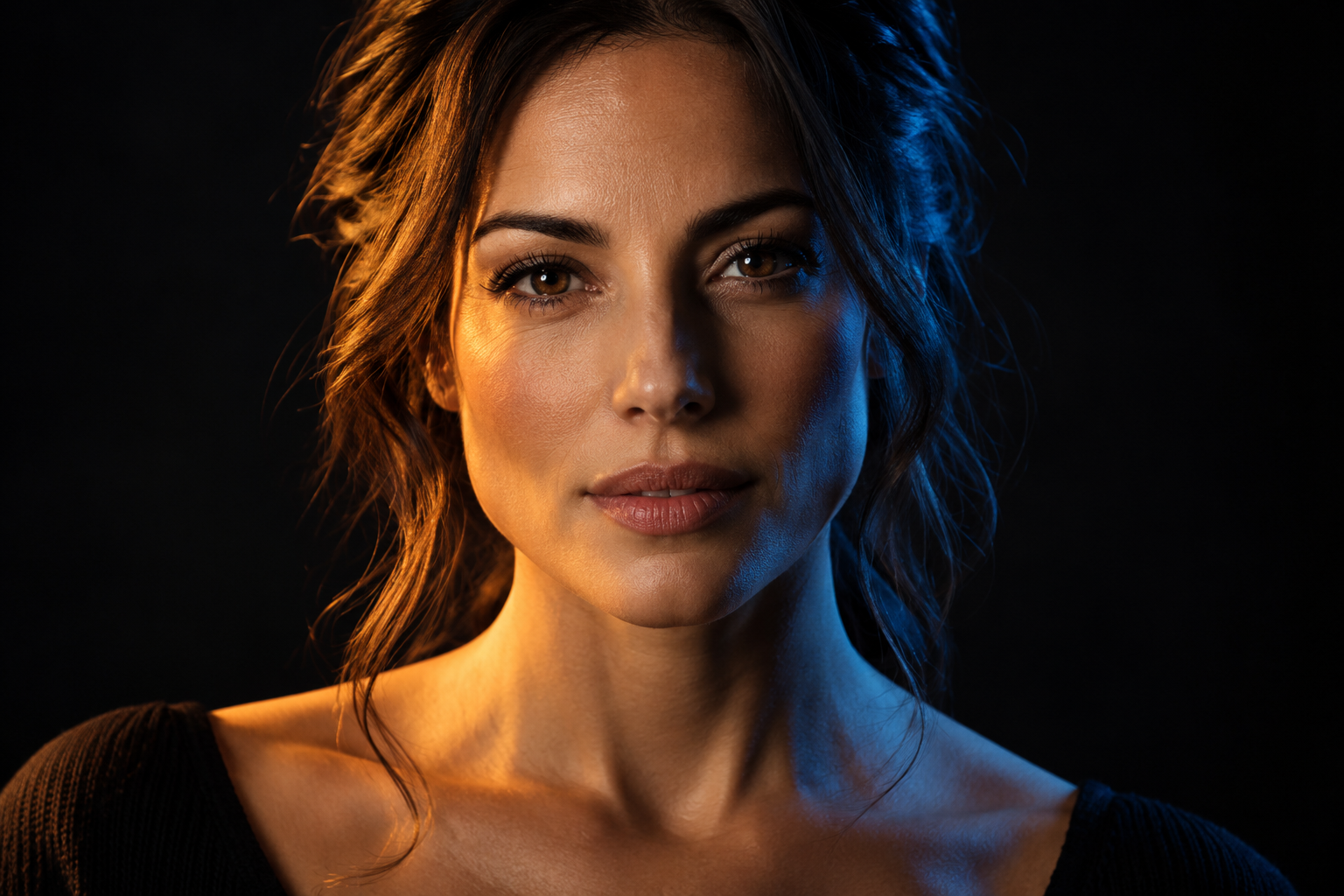 REIMAGINE THE LIGHT
Explore depth-aware portrait relighting. Shape new light and shadow around the contours of a face.
IMAGE EDITING & RELIGHTING +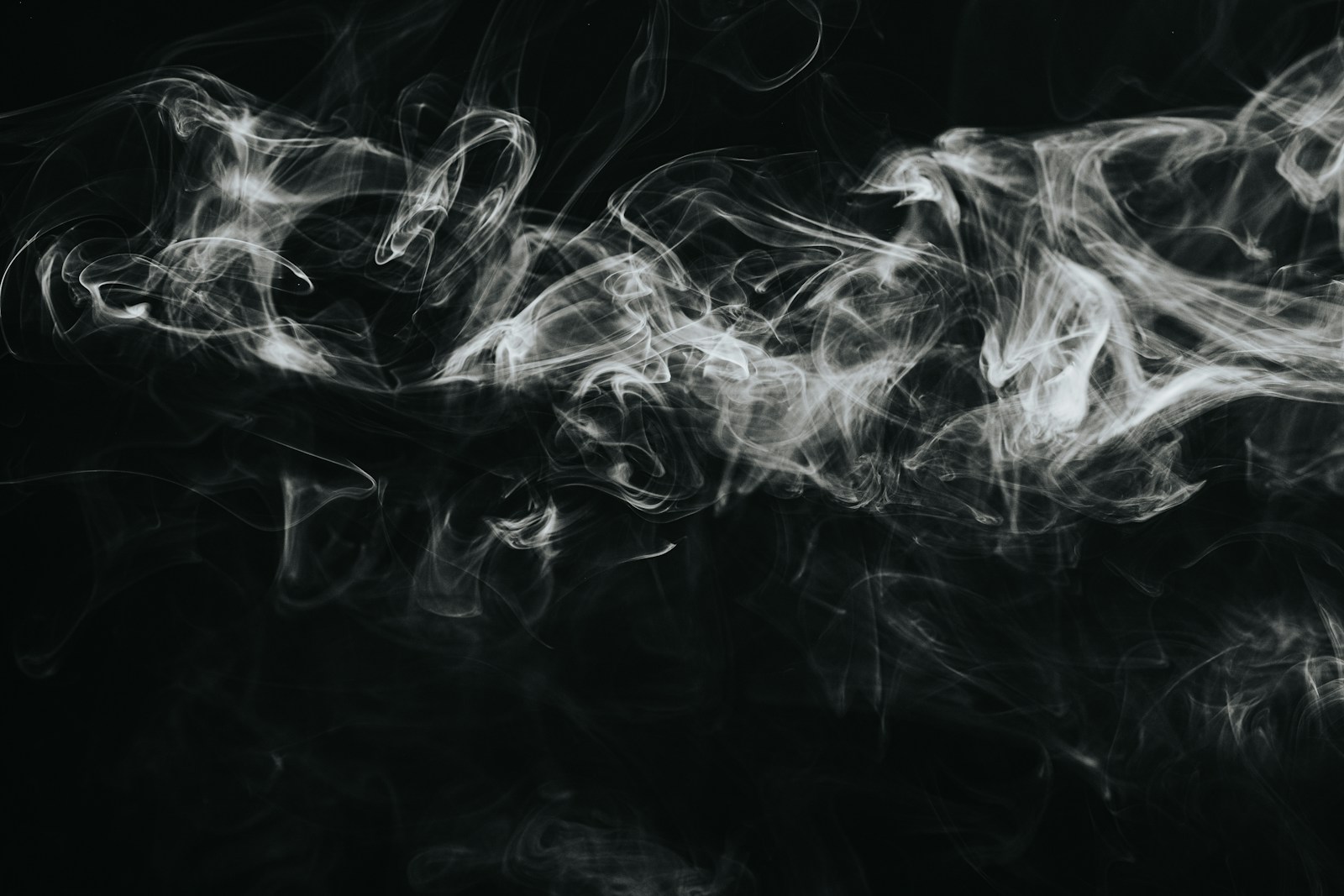 BRING EFFECTS INTO THE SCENE
Bring CGI into filmed reality. Explore depth-aware compositing, occlusion, and the integration of digital objects and effects.
FILM & VISUAL EFFECTS +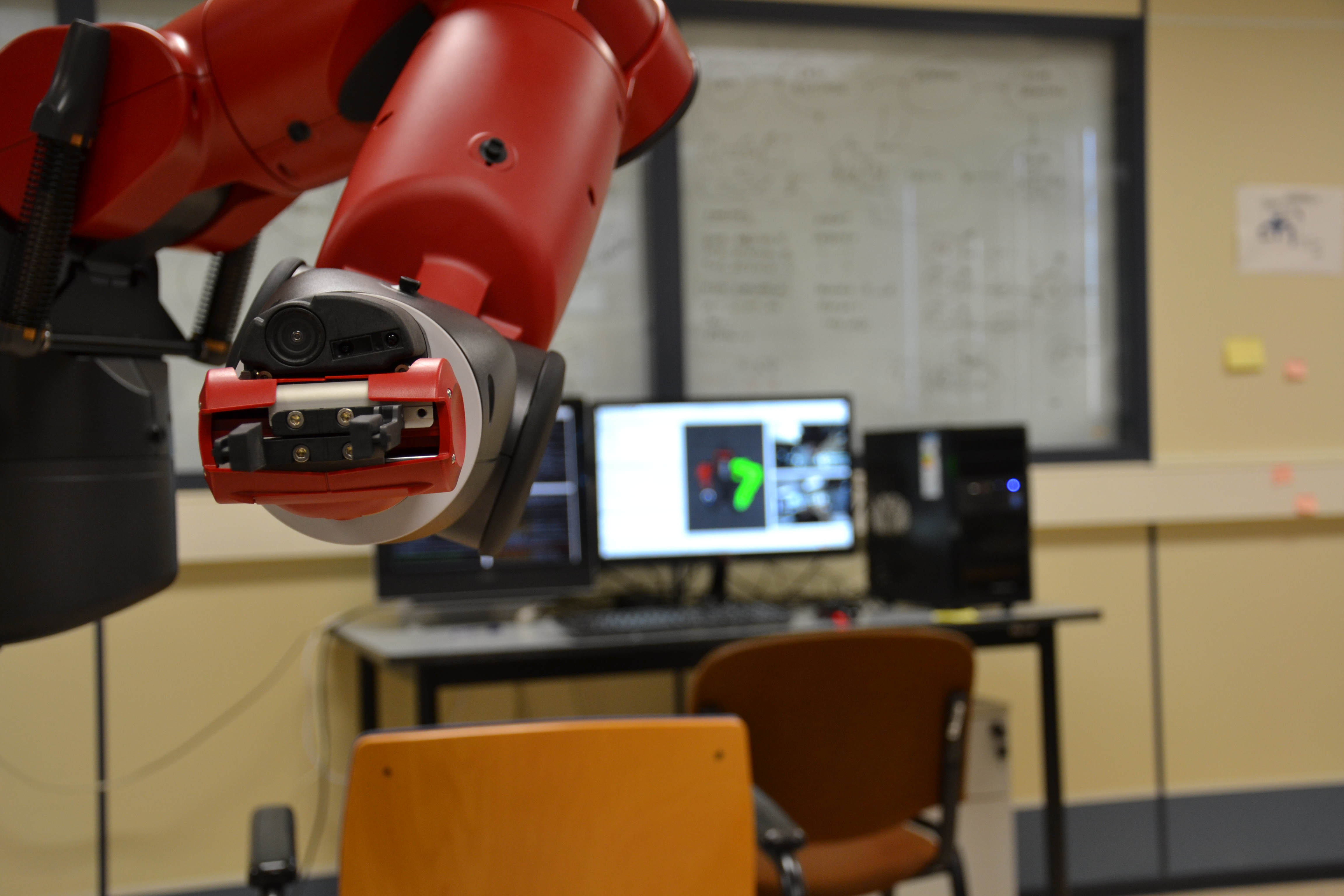 UNDERSTAND THE WORLD
Investigate depth for robot perception — understanding nearby objects and the space around them from a camera image.
ROBOTICS & PERCEPTION +From a single image to a richer understanding of space.
That’s the future we’re building toward.
Two founders exploring the intersection of visual understanding, geometry, and the things it makes possible.
MSc, Shanghai Jiao Tong University
MSc, ETH Zurich
PhD candidate, Shanghai Jiao Tong University
A face is more than a flat collection of pixels. Its cheeks, nose, and jaw give light a surface to interact with.
We’re exploring how semantically guided depth could support portrait editing: help distinguish the subject from the background, preserve facial boundaries, and guide lighting changes around the shape of a face. Relighting also requires reasoning about surface orientation, materials, and illumination.
Digital objects and effects need to share the space of a filmed scene. Depth can help determine what belongs in front, what falls behind, and where the real and imagined meet.
We’re exploring semantically guided depth for compositing, occlusion, and CGI integration — from placing digital props and characters to layering particles, atmospheric effects, and virtual scenery.
Smoke is one example: a depth map could help an added plume disappear behind a foreground subject. The same principle extends to other effects and objects, with scene geometry helping guide their placement.
A robot needs to understand both what is around it and how the scene is arranged.
We’re investigating monocular depth guided by dense semantic features for robot perception. The aim is to connect object context with spatial structure, supporting research into scene understanding, object localization, and manipulation.
Reliable manipulation would also require camera calibration, scale estimation, and validation in the robot’s operating environment.